

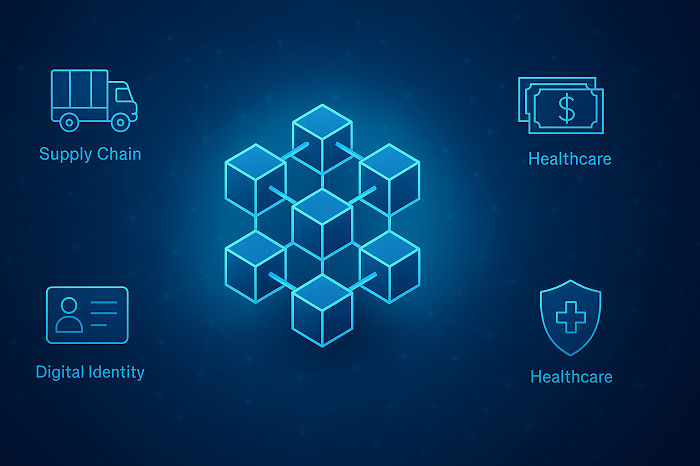
Blockchain has grown far beyond its association with cryptocurrencies. While coins and tokens remain a major part of the ecosystem, the true power of blockchain lies in its ability to provide transparency, security, and decentralization across industries that rely heavily on trust. Today, governments, global enterprises, healthcare systems, the supply chain industry, and even entertainment brands are adopting blockchain to solve real world problems. As the world shifts towards digital transformation, blockchain is becoming a foundational technology for innovation, efficiency, and trustless operations. In this article, you will discover the top 10 real world use cases of blockchain that are actively shaping the future and creating new opportunities for both businesses and individuals.
1. Blockchain in Supply Chain Management
Supply chains are complex networks, often involving multiple intermediaries and limited transparency. Blockchain brings clarity to this process by creating an immutable ledger where every stage of a product journey can be recorded and verified. This level of transparency helps companies track the origin of goods, prevent counterfeits, ensure product authenticity, and manage recalls more efficiently. By providing real time visibility, blockchain enhances both trust and accountability, reducing fraud and improving operational efficiency. Many global brands across food, fashion, and manufacturing industries are already leveraging blockchain to create smarter and more resilient supply chains.
2. Blockchain for Cross Border Payments
Traditional cross border payments are slow, expensive, and layered with intermediaries. Blockchain changes this entirely by allowing instant, secure, and low cost transactions across the globe without relying on middlemen. It enables peer to peer transfers where funds can be settled within seconds instead of days. This technology is especially beneficial for migrant workers, freelancers, and businesses operating internationally. By offering faster settlements and reduced transaction fees, blockchain is revolutionizing how money moves across borders and making financial systems more inclusive.
3. Blockchain in Digital Identity Verification
Digital identity is one of the most transformative use cases of blockchain. Instead of relying on centralized databases that are vulnerable to hacks, blockchain gives users complete control over their identity data. Individuals can store their personal information securely and share only what is necessary with organizations. This reduces risks associated with identity theft, enhances data privacy, and streamlines verification processes for activities such as opening bank accounts, signing legal documents, or accessing online services. Blockchain based identity systems are paving the way for a future where personal data is secure and user controlled.
4. Blockchain for Healthcare Data Management
Healthcare systems generate massive amounts of sensitive data, but they often lack a unified system to manage, share, and secure this information. Blockchain addresses these challenges by creating tamper proof health records accessible only to authorized parties. Patients can grant temporary access to doctors, hospitals, or insurers, ensuring both privacy and continuity of care. This technology also helps reduce medical errors, supports better research through verified data, and prevents insurance fraud. As healthcare moves toward digital transformation, blockchain is becoming essential for secure and efficient data management.
5. Blockchain in Real Estate Transactions
Real estate transactions are known for being slow, complex, and document heavy. Blockchain simplifies the process by tokenizing property ownership, automating contracts, and creating transparent property records. Smart contracts enable faster transactions by executing agreements automatically once predefined conditions are met. Buyers and sellers can verify ownership history, avoid fraud, and close deals more efficiently. Blockchain also unlocks fractional property ownership, making real estate investment more accessible. This transformation is helping modernize the entire property ecosystem.
6. Blockchain for Voting and Governance
Ensuring transparent and tamper proof elections is a global challenge. Blockchain provides a secure and verifiable system where every vote is recorded immutably. This eliminates concerns related to vote manipulation, double voting, or unauthorized access. Voters can verify that their vote was counted without compromising anonymity. Governments and organizations are exploring blockchain based governance systems to enhance trust and participation. This use case has the potential to redefine democracy in the digital age.
7. Blockchain in Intellectual Property and Digital Content
For artists, writers, and creators, protecting intellectual property is essential. Blockchain allows creators to timestamp their work, proving ownership and preventing unauthorized use. It also enables new revenue models, where creators earn royalties automatically through smart contracts whenever their content is used or resold. This is transforming industries like music, publishing, and entertainment. By giving creators more control and fair compensation, blockchain is redefining digital ownership and rights management.
8. Blockchain for Decentralized Finance
Decentralized Finance, often known as DeFi, has emerged as one of the most powerful real world applications of blockchain. It eliminates traditional intermediaries like banks and brokers and replaces them with automated smart contracts. Users can lend, borrow, trade, and earn yields without relying on centralized institutions. DeFi promotes financial freedom, transparency, and global accessibility. As adoption continues to grow, blockchain based financial systems are gradually reshaping how people interact with money and investments.
9. Blockchain in Energy Trading
Energy markets are transitioning toward more sustainable and decentralized models. Blockchain enables peer to peer energy trading where households with solar panels can sell excess electricity directly to others. This creates a more efficient and cost effective energy ecosystem. Smart contracts ensure fair pricing and automated settlements, while blockchain provides real time tracking of energy production and consumption. This innovation is supporting global efforts toward renewable energy adoption and smart grid development.
10. Blockchain in Education and Credential Verification
Educational certificates, degrees, and achievements are often prone to forgery. Blockchain solves this by offering secure and verifiable digital credentials. Institutions can issue tamper proof certificates that employers or other organizations can verify instantly. This eliminates lengthy verification processes and prevents fraud. Blockchain based credentials also support lifelong learning, allowing individuals to maintain a digital portfolio of their academic and professional achievements.
Conclusion
Blockchain is no longer just a buzzword but a transformative technology driving real value across industries. From financial systems and healthcare to real estate and education, blockchain is creating transparent, efficient, and decentralized solutions for real world challenges. As adoption continues to expand, the technology will play an even larger role in global business, innovation, and digital trust. Whether you are an investor, entrepreneur, or tech enthusiast, understanding these real world applications of blockchain will help you stay ahead in a rapidly evolving digital landscape. To explore related topics such as crypto investment, blockchain trends, and DeFi strategies, continue reading our in depth guides and stay updated with the future of decentralized technology.
Frequently Asked Questions
Q1. What are the most common real world uses of blockchain today?
Answer. The most common uses include supply chain tracking, cross border payments, digital identity management, healthcare data security, real estate tokenization, decentralized finance, and transparent voting systems.
Q2. Why is blockchain important beyond cryptocurrencies?
Answer. Blockchain provides decentralization, transparency, and security, making it ideal for industries where trust and data integrity are essential.
Q3. Can blockchain improve business efficiency?
Answer. Yes, blockchain helps automate processes, reduce fraud, eliminate intermediaries, and create verifiable digital records that enhance overall efficiency.
Q4. Is blockchain safe for storing personal data?
Answer. Blockchain ensures high level security through encryption and decentralization, but users still need responsible data management practices.
Q5. Which industries will benefit the most from blockchain in the future?
Answer. Financial services, supply chain, healthcare, energy, real estate, and digital identity systems are expected to experience the biggest transformation.


