

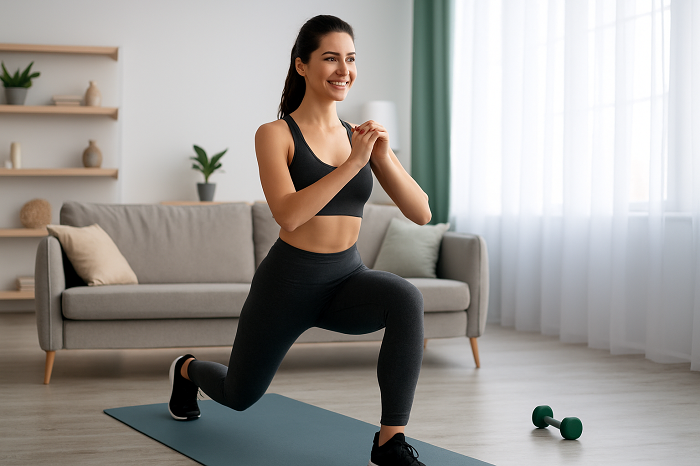
Staying motivated to exercise is one of the most common challenges people face on their fitness journey. Even with the best intentions, daily responsibilities, low energy, or a lack of clear direction can make it easy to skip workouts. The truth is that motivation does not appear magically. It is created through habits, environment, mindset and the way you approach your goals. When you understand what keeps you driven, exercise becomes something you look forward to rather than something you have to force. This detailed guide explores the top 10 tips to stay motivated to exercise so you can build consistency, boost your confidence and enjoy long term progress.
1. Understand Your Why and Set Clear Intentions
Every successful fitness journey begins with a deep sense of purpose. When you understand why exercise matters to you, it becomes easier to show up even on days when motivation feels low. Instead of vague hopes like wanting to stay fit, set clear and meaningful intentions such as improving your energy levels, becoming stronger, managing stress, or supporting long term health. These personal reasons act as emotional anchors that push you forward whenever you feel like giving up. Writing down your why and revisiting it often helps you reconnect with your goals and reminds you that every workout brings you one step closer to a happier and healthier you.
2. Create a Realistic Routine That Fits Your Lifestyle
Motivation fades quickly when your plan feels overwhelming or unrealistic. To stay consistent, structure an exercise routine that aligns with your daily schedule, energy levels and personal commitments. Start with achievable sessions such as twenty to thirty minutes and gradually build up as your endurance improves. A realistic routine ensures you do not feel defeated before even starting. When exercise fits naturally into your lifestyle, it becomes a sustainable part of your day. This removes the mental resistance that often leads to procrastination, making it easier to stay committed and consistent.
3. Choose Workouts You Actually Enjoy
People often struggle with motivation because they force themselves into workouts they dislike. Exercise should never feel like punishment. The key to long term consistency is choosing activities you genuinely enjoy, whether it is dancing, yoga, swimming, walking, running, cycling or home workouts. When you enjoy the experience, you look forward to moving your body rather than dreading it. Experiment with different types of workouts to discover what keeps you excited. Variety keeps things fresh, prevents boredom and helps you stay motivated as you explore new ways to challenge your body.
4. Track Your Progress to Celebrate Growth
Progress tracking is a powerful motivational tool because it gives you visual proof of your hard work. Whether you measure your improvements through photos, workout logs, fitness apps or strength milestones, seeing progress builds confidence and encourages you to keep going. Small wins, such as completing more reps, running longer distances or feeling more energetic throughout the day, remind you that your dedication is paying off. This sense of growth fuels motivation because it shows that every effort, no matter how small, contributes to meaningful long term results.
5. Create a Workout Environment That Inspires You
Your environment plays a huge role in your level of motivation. Whether you exercise at home or the gym, the atmosphere should make you feel motivated and energized. At home, designate a clean and inviting workout space with minimal distractions. Consider adding equipment you enjoy using, such as resistance bands or a yoga mat. If you prefer the gym, choose one that feels comfortable, safe and motivating. When your environment supports your fitness goals, it becomes easier to step into workout mode and stay committed to your routine.
6. Build Consistency Through Habits, Not Just Motivation
Motivation naturally fluctuates, but habits provide stability. When exercise becomes part of your daily rhythm, you do it automatically even when you do not feel intensely motivated. One powerful approach is scheduling workouts at the same time each day, turning them into predictable rituals. Morning exercisers might enjoy the boost of energy and mental clarity, while evening workouts can help relieve stress after a long day. Consistency transforms fitness from a temporary effort into a long term lifestyle, which ultimately makes your progress sustainable and rewarding.
7. Reward Yourself for Showing Up
Positive reinforcement is a psychological secret to staying motivated. When you reward yourself for sticking to your routine, your brain associates exercise with pleasure and satisfaction. These rewards do not need to be extravagant. It could be a relaxing bath, a favorite healthy snack, a new workout outfit, or simply some quiet time after completing a session. The goal is to celebrate your commitment. These moments of self appreciation boost your confidence and make you more likely to continue showing up for future workouts.
8. Find an Accountability Partner or Join a Community
It becomes easier to stay motivated when you do not feel alone on your fitness journey. An accountability partner encourages you, checks in on your progress and helps you stay committed even when your motivation dips. Whether it is a friend, family member, coworker or online fitness community, sharing your journey creates support and inspiration. Group workouts, virtual challenges and fitness classes can also provide the sense of connection that keeps you moving forward. Surrounding yourself with people who share similar goals strengthens your commitment and keeps your motivation alive.
9. Overcome Obstacles with a Flexible Mindset
Motivation often fades when unexpected challenges arise, such as busy schedules, low energy, stress or travel. Instead of stopping completely, adopt a flexible mindset. Modify your workouts, shorten the duration or switch to lighter activities like stretching or walking. Consistency matters more than perfection. When you learn to adapt rather than give up, you build resilience and confidence. This mindset helps you navigate difficult days without losing your overall progress, making long term success far more achievable.
10. Visualize Your Success and Stay Connected to Your Goals
Visualization is a proven technique used by athletes and fitness experts to stay motivated. When you imagine yourself stronger, more energetic and healthier, your mind becomes aligned with your goals. This mental imagery creates a powerful emotional connection that pushes you to keep going. Revisiting your goals weekly, updating them as you grow and celebrating milestones keeps your journey exciting. Staying connected to your long term vision strengthens your determination and makes every workout feel purposeful.
Conclusion
Staying motivated to exercise is not about waiting for inspiration. It is about building the right habits, environment, mindset and support system that makes fitness a natural part of your life. With these top 10 tips, you can create a routine that feels enjoyable, sustainable and aligned with your goals. When you choose workouts you love, celebrate progress, adapt to challenges and stay connected to your why, fitness becomes a rewarding lifestyle rather than a temporary effort. Start small, stay consistent and allow your motivation to grow stronger each day as you experience the transformation that exercise brings.
Frequently Asked Questions
Q1. How can I stay motivated to exercise every day?
Answer. By building habits, choosing enjoyable workouts, and creating a routine that fits your lifestyle, you can stay motivated consistently.
Q2. What should I do on days when I do not feel motivated?
Answer. Lower the intensity, do a shorter workout or switch to a movement you enjoy. The goal is to maintain consistency.
Q3. Why do I lose motivation after a few weeks?
Answer. Lack of variety, unclear goals and unrealistic routines often cause motivation dips. Refresh your routine and revisit your why regularly.
Q4. How important is tracking progress for motivation?
Answer. Tracking progress boosts confidence and provides visible proof of your efforts, which fuels long term motivation.
Q5. Can exercising with a partner help me stay consistent?
Answer. Yes, accountability partners significantly increase consistency by providing support, encouragement and shared commitment.


