

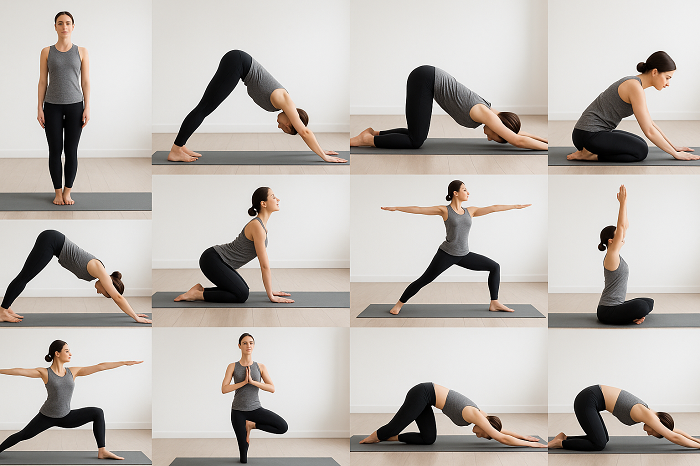
Learning yoga for the first time can feel exciting and overwhelming at the same time. With thousands of asanas available and countless styles of yoga to explore, beginners often wonder where to start. That is exactly why understanding the top yoga poses for beginners can help build a strong foundation, increase confidence, and ensure a safe and motivating start to your practice. Whether you are beginning your fitness journey, hoping to improve flexibility, or simply looking for a calming daily routine, these beginner friendly yoga poses will guide you step by step and make yoga both enjoyable and effective.
Yoga is not just a physical exercise. It is a mindful movement system that strengthens your body, balances your breath, and relaxes your mind. The best part is that you can start from anywhere, even at home, without equipment. The key is learning the right poses, practicing them consistently, and moving at a pace that feels good for your body. In this guide, we will explore the top 10 yoga poses for beginners, breaking down why each pose matters and how it helps you build strength, stability, and flexibility.
1. Mountain Pose or Tadasana
Every beginner should start with Mountain Pose because it teaches alignment, balance, posture, and grounding. Although it looks simple, it activates multiple muscle groups and prepares your body for all standing poses. When you stand tall with your feet firmly planted, spine lifted, and breath calm, you build awareness of your body and learn how to move with intention. This pose improves posture, strengthens the legs and core, and enhances concentration. Beginners quickly realize that even stillness can be powerful.
2. Downward Facing Dog or Adho Mukha Svanasana
Downward Facing Dog is one of the most recognizable yoga poses and a key part of many yoga sequences. It stretches your hamstrings, calves, spine, and shoulders while strengthening your arms and core. For beginners, it is an excellent pose to improve flexibility and build upper body endurance. Holding the pose encourages deep breathing and helps calm the mind. Over time, the body becomes lighter in this pose, making transitions smoother and more fluid during yoga practice.
3. Child’s Pose or Balasana
Child’s Pose is often used as a resting pose, but it is also a powerful beginner friendly posture for releasing tension in the lower back, hips, and shoulders. When you fold forward and allow your breath to guide you, it encourages relaxation and helps reduce stress. This pose is gentle and grounding, making it perfect for anyone new to yoga who needs a moment to reset. It also teaches mindfulness, which is the foundation of any yoga journey.
4. Cat Cow Pose or Marjaryasana Bitilasana
Cat Cow combines two poses that create a smooth flow, allowing your spine to warm up safely. For beginners, this sequence helps improve spinal mobility, enhances coordination, and brings awareness to the breath. The arching and rounding of the back ease stiffness, especially for anyone who spends long hours sitting. Cat Cow also prepares the body for deeper backbends and core strengthening poses, making it an essential part of a beginner’s routine.
5. Cobra Pose or Bhujangasana
Cobra Pose is a beginner friendly backbend that opens the chest, strengthens the spine, and improves posture. Many beginners struggle with tight shoulders and rounded backs due to work and lifestyle habits. Practicing Cobra helps counteract that by encouraging a gentle lift of the chest and lengthening of the spine. It also expands lung capacity and boosts energy, making it a great pose to incorporate into morning yoga practice.
6. Warrior I or Virabhadrasana I
Warrior I introduces beginners to strength building and stability training. It strengthens the legs, core, and back while encouraging confidence and focus. The stance creates a powerful stretch through the hips and chest, helping improve balance and mobility. As beginners hold the pose, they learn how to root down through their feet while lifting through their torso, creating a sense of grounding and empowerment. Warrior poses also help prepare the body for more challenging standing sequences.
7. Warrior II or Virabhadrasana II
Warrior II is another foundational standing pose that beginners should practice regularly. It teaches body awareness, alignment, and endurance. The wide stance strengthens the thighs, glutes, and core while opening the hips and improving overall stability. This pose also enhances mental focus as you extend your arms and gaze forward. It is commonly used in various yoga styles, so mastering Warrior II early on supports long term practice and adds confidence during transitions.
8. Tree Pose or Vrksasana
Tree Pose is one of the best balancing poses for beginners. It teaches patience, concentration, and body control. By shifting weight onto one leg and placing the other foot on the inner thigh or calf, beginners learn how to engage their core and maintain stability. Even small wobbles are part of the learning process. With consistent practice, Tree Pose improves posture, strengthens the legs, and enhances coordination. This pose also builds mental clarity as you focus your gaze and breathe steadily.
9. Seated Forward Bend or Paschimottanasana
The Seated Forward Bend helps lengthen the hamstrings, stretch the lower back, and calm the nervous system. Beginners should focus on keeping the spine long rather than forcing themselves to touch their toes. Over time, flexibility naturally improves. This pose is excellent for relieving stress, reducing fatigue, and improving digestion. It also helps beginners understand how to move gently and listen to their bodies as they increase flexibility safely.
10. Bridge Pose or Setu Bandhasana
Bridge Pose is a gentle backbend that strengthens the glutes, hamstrings, and lower back while opening the chest and hip flexors. It is ideal for beginners because it is easy to modify and supports the spine. Practicing Bridge Pose regularly improves posture, boosts energy levels, and helps counteract the effects of sitting. The calming nature of the pose makes it a great addition to evening routines, helping release physical and mental tension.
Conclusion
Starting yoga as a beginner becomes much easier when you focus on foundational poses that build strength, flexibility, and body awareness. The top 10 yoga poses for beginners discussed here create a strong base for advancing into more complex movements while keeping your practice safe and enjoyable. Consistency is the key to progress, and even a few minutes daily can significantly improve your physical and mental well being. As you deepen your yoga journey, explore related fitness resources, try short home workouts, and discover beginner friendly routines to support a healthier, more mindful lifestyle. Yoga is truly a lifelong practice, and these poses are your pathway to strength, calmness, and confidence.
Frequently Asked Questions
Q1. What is the best yoga pose for absolute beginners?
Answer. Mountain Pose is the best starting point because it teaches alignment, balance, and breathing awareness.
Q2. How long should a beginner hold each yoga pose?
Answer. Beginners can start by holding each pose for 15 to 30 seconds and gradually increase as they build strength and stability.
Q3. Can beginners do yoga every day?
Answer. Yes, daily yoga is safe for beginners as long as they listen to their bodies and practice gently.
Q4. Do I need equipment to start yoga?
Answer. No equipment is required. A simple yoga mat is helpful, but you can practice on any comfortable surface.
Q5. How long does it take to see results from yoga?
Answer. Most beginners notice improved flexibility, better posture, and reduced stress within two to four weeks of consistent practice.


