

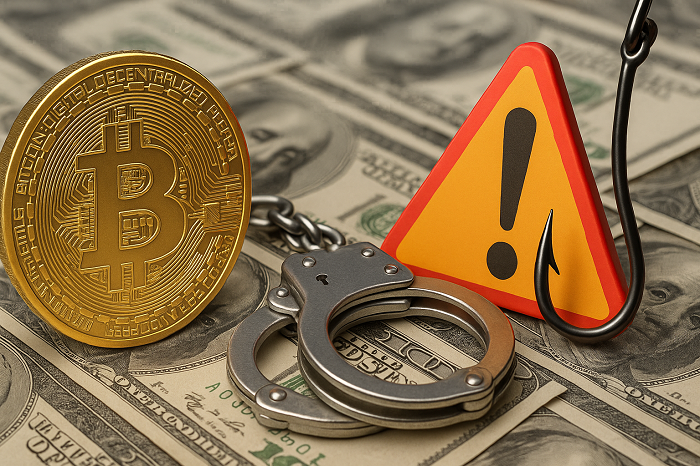
The explosive growth of digital assets has attracted millions of new investors, traders, and enthusiasts into the crypto world. However, this rapid rise has also opened the door to bad actors who take advantage of inexperienced users, promising high returns and delivering devastating losses. Crypto scams continue to evolve with technology, making it essential for investors to recognize the warning signs and learn how to safeguard their money. Understanding the most common scams in the industry not only protects your portfolio but also helps you make confident, well informed decisions as you navigate blockchain innovations. This article explores the top 10 crypto scams and offers clear guidance on how to avoid them, making it a complete resource for anyone seeking safety and clarity in the crypto space.
1. Phishing Scams
Phishing scams remain one of the most widespread forms of fraud in crypto. Scammers impersonate trusted platforms or exchanges by sending emails or creating fake websites that look almost identical to legitimate ones. They prompt users to enter login information or private keys, which are then stolen. Many phishing attempts are linked to fake reward announcements, urgent security alerts, and limited time offers. The key to avoiding phishing is to never click unfamiliar links, always check website URLs carefully, and use official mobile apps whenever possible.
2. Fake Crypto Exchanges
New investors often search for “the easiest way to buy crypto,” and scammers take full advantage of this. Fake exchanges mimic legitimate ones but are designed to steal deposits. Some even allow users to deposit funds and see fake profits on the screen, creating a false sense of growth before disappearing with the entire balance. To avoid this, stick to well established exchanges, verify registrations, read user reviews, and avoid platforms that guarantee high success rates or unusually low trading fees.
3. Ponzi Schemes
Ponzi schemes in crypto operate the same way they do in traditional finance. Early investors are paid from the deposits of new investors rather than actual profits. These schemes collapse once new investments slow down, leaving most participants at a loss. Many of these projects promise daily returns, risk free profits, and automated income systems. The safest approach is to distrust any program that guarantees unrealistic returns, investigate project transparency, and research the teams behind the initiative.
4. Pump and Dump Groups
Social media and messaging platforms host countless pump and dump groups, where organizers artificially inflate the price of a low volume cryptocurrency by spreading hype. Once the price rises, group leaders sell their holdings at a profit, causing the price to crash and leaving others with heavy losses. This type of manipulation targets beginners who believe they are joining exclusive profit opportunities. Avoiding pump and dump schemes involves staying away from private trading groups and making investment decisions based on real data rather than hype.
5. Fake Celebrity Endorsements
Crypto scammers frequently use the names and images of celebrities, entrepreneurs, and public figures without permission. They promote fraudulent investment platforms or token sales, convincing people that trusted personalities are involved. These scams often spread through social media ads and fabricated news articles. Real celebrities rarely promote specific crypto investments, so it is crucial to verify information from official social channels before taking action.
6. Rug Pulls in DeFi and Meme Coins
The rise of decentralized finance and meme tokens has created fertile ground for rug pulls. Developers launch new tokens, attract investors by showcasing bold roadmaps, and drive liquidity into decentralized exchanges. Suddenly, they withdraw all funds and abandon the project, leaving investors with worthless tokens. To avoid rug pulls, research project teams, audit reports, liquidity lock details, and community transparency. Established projects rarely vanish overnight, so caution is key when investing in newly launched tokens.
7. Giveaway Scams
Giveaway scams promise users double their crypto if they send tokens to a specific wallet address. These scams appear on social media, livestream chats, and even hacked celebrity accounts. The message is always the same, claiming it is a limited time event meant to appreciate supporters. Since blockchain transactions cannot be reversed, victims lose everything they send. The safest rule is simple, no legitimate person or company will ever ask you to send crypto as part of a giveaway.
8. Malware and Keyloggers
Malicious software designed to capture private keys, passwords, and seed phrases has become increasingly sophisticated. Some malware hides inside fake apps, browser extensions, crypto tools, or even harmless looking downloads. Once installed, it monitors user activity and sends sensitive information to the scammer. To protect yourself, always use updated antivirus software, download apps from official sources, avoid unknown files, and store seed phrases offline.
9. Impersonation Scams
Scammers impersonate customer support agents, influencers, or blockchain project team members to trick users into sharing sensitive information. Many victims are approached on Telegram, Discord, or Twitter by profiles that look authentic. Real crypto support teams will never initiate direct chats or ask for personal details. Staying safe means engaging only with verified accounts and avoiding giving access to wallet information under any circumstances.
10. Fake ICOs and Token Sales
Initial coin offerings were once popular ways for legitimate projects to raise funds, but scammers have exploited the format by launching fake ICOs and collecting investor money without creating a real product. These scams often include professionally designed websites, convincing whitepapers, and fabricated partner lists. Before investing in any token sale, verify the team, check their past experience, analyze the project’s purpose, and review independent audits.
Conclusion
Crypto offers remarkable opportunities, but it also demands responsibility and awareness. Scammers thrive wherever money moves quickly and emotions run high. By understanding the top crypto scams and knowing how to identify red flags, investors can protect their portfolios and build long term confidence in the digital asset market. Trust research over hype, safeguard your private information, and stay informed through reliable sources. With the right knowledge, navigating the crypto world becomes much safer and more rewarding.
Frequently Asked Questions
Q1. What is the most common crypto scam today?
Answer. Phishing remains the most common scam since it targets beginners by tricking them into revealing login details or private keys through fake websites and emails.
Q2. Can crypto scams be reported?
Answer. Yes, scams can be reported to local cybercrime authorities, financial regulators, or platforms like the exchange involved, although recovery is not always guaranteed.
Q3. How do I know if a crypto project is legitimate?
Answer. Check the team’s background, transparency, community presence, whitepaper quality, audits, and long term roadmap. Legitimate projects rarely promise guaranteed profits.
Q4. Are DeFi platforms safe to use?
Answer. Many are safe, but some carry high risks. Always choose audited platforms, research liquidity locks, and avoid newly launched tokens with unknown developers.
Q5. What is the best way to protect my wallet?
Answer. Use hardware wallets, enable two factor authentication, store seed phrases offline, and avoid downloading suspicious files or apps.


